Many rural families in Chi Kraeng District still rely on firewood, charcoal, or purchased gas for cooking and daily energy needs. This leads to high household costs, indoor air pollution, and continued pressure on local forests.
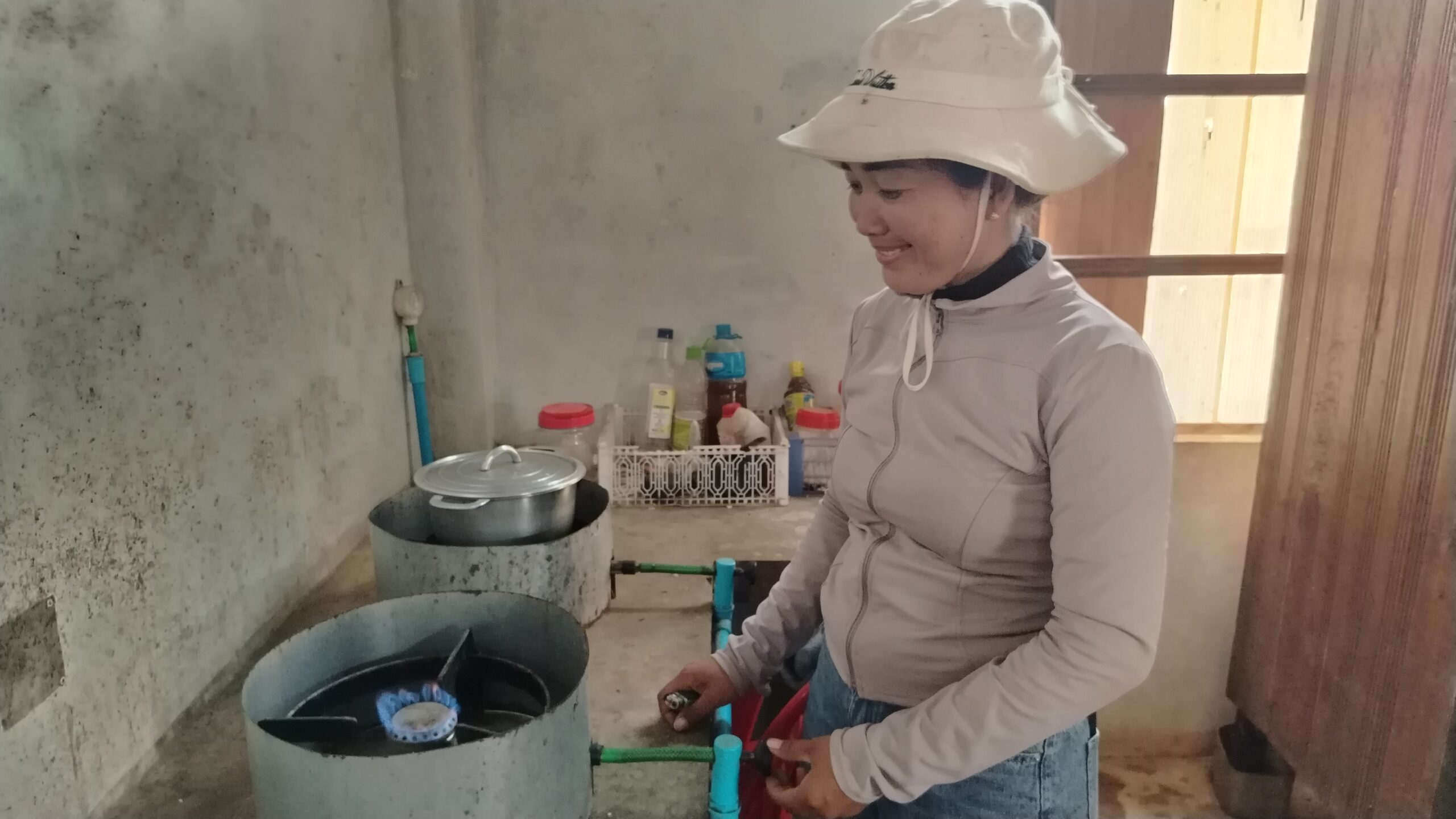
TGF’s biogas program offers a simple but effective alternative. By turning animal manure into clean energy, households can cook and light their homes in a safer, cheaper, and more sustainable way.
2025 Implementation
In 2025, we constructed 25 new biogas systems for low-income households that own livestock. Each system is based on a co-investment model, with TGF contributing around $400 and families contributing $50–150, depending on their situation.
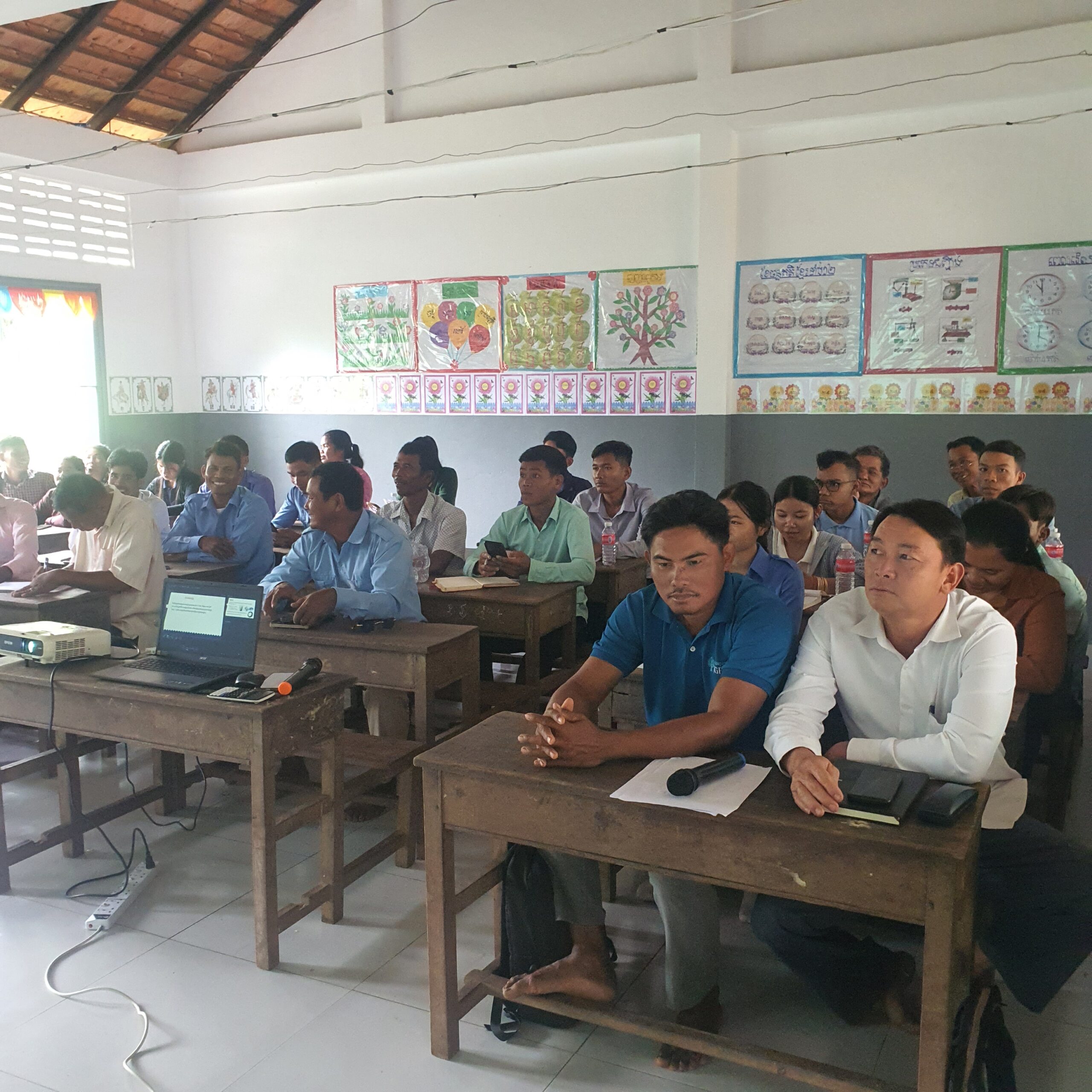
All systems are built by certified technicians following national safety standards and come with a 10-year warranty. After installation, families receive practical training on how to use and maintain the system, including feedstock preparation, safe gas use, slurry collection for fertilizer, and basic troubleshooting.
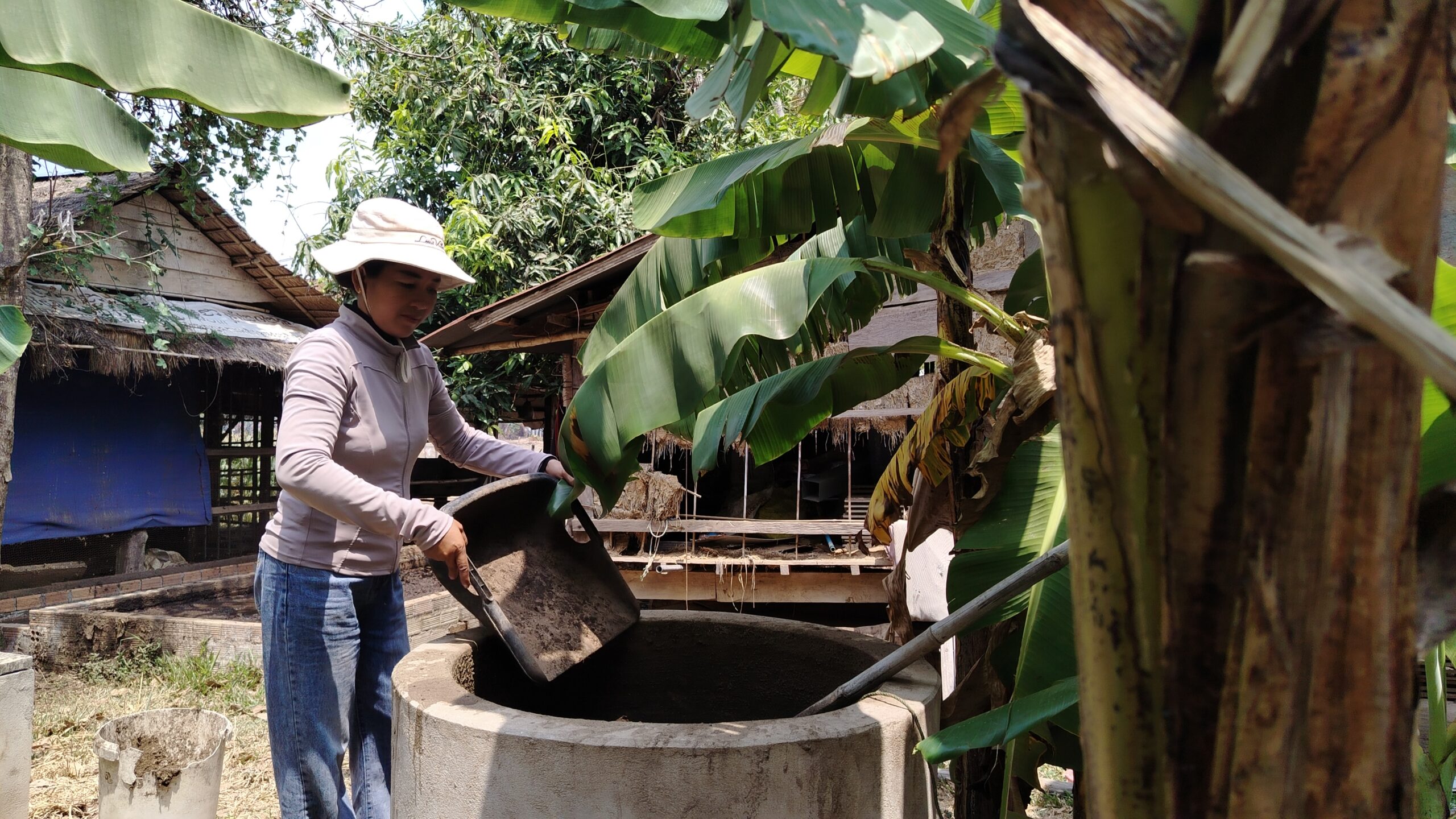
How families are selected
Households are selected based on clear criteria to ensure both need and long-term use. Priority is given to families with an ID Poor card, livestock ownership (at least two cows), and active participation in TGF programs such as farmer field schools, cooperatives, or savings groups. This helps ensure the systems are used effectively and sustainably.
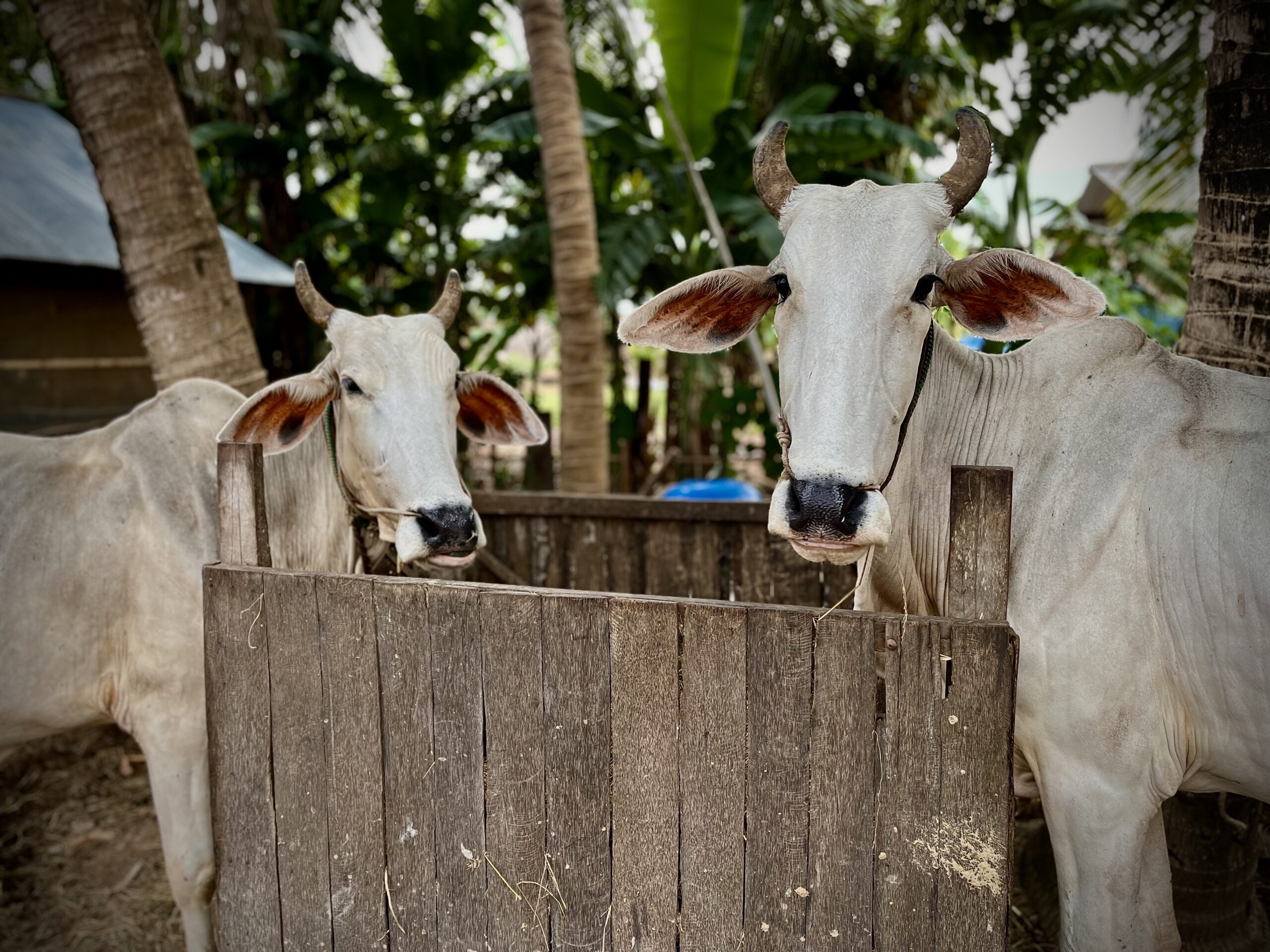
Results and long-term impact
Since 2020, the program has grown steadily. By the end of 2025, 64 biogas systems have been installed across our target communities, with another 8 planned for 2026.
The impact is visible at household level:
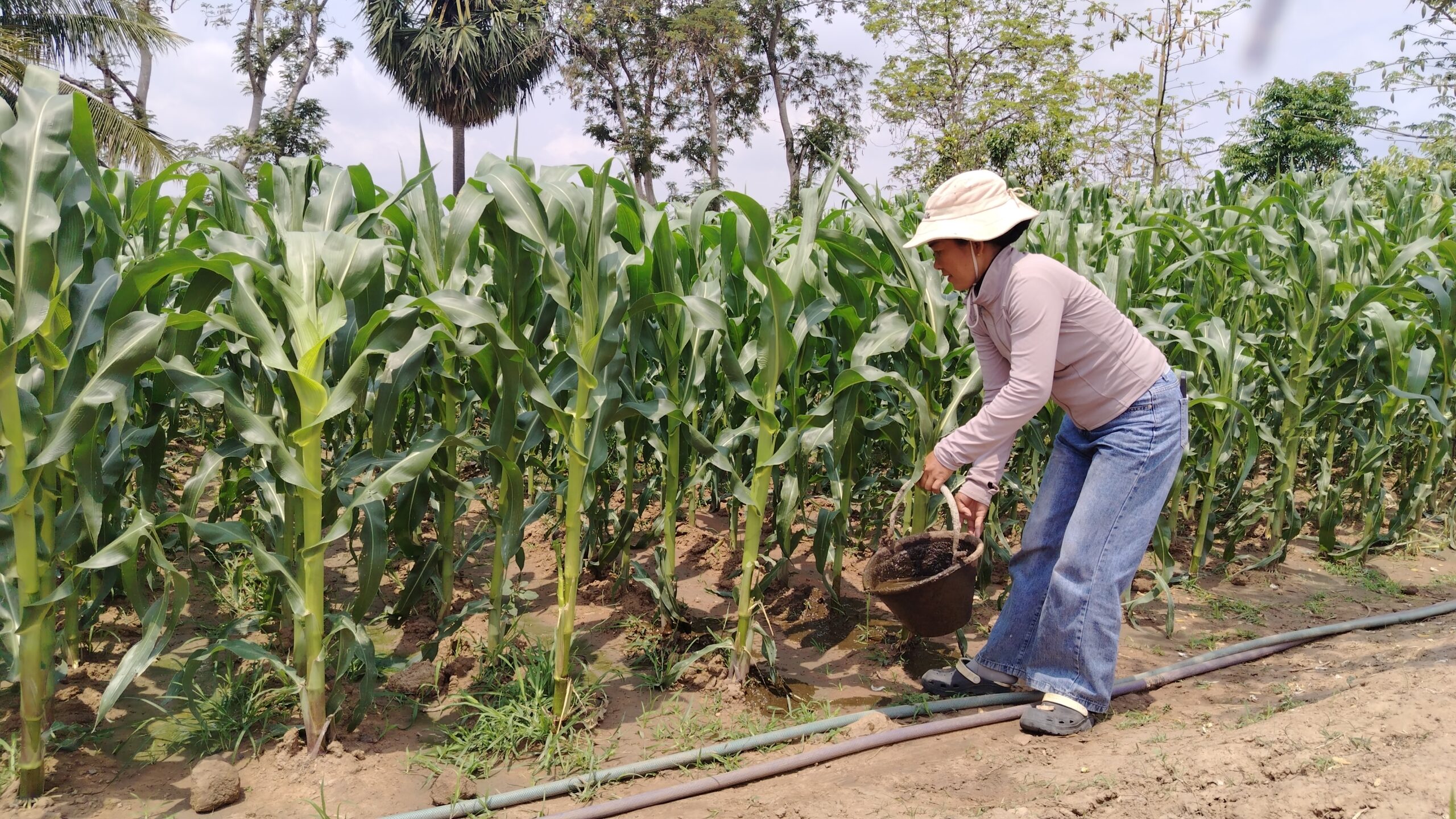
- Lower spending on fuel and fertilizer
- Cleaner indoor air and improved health
- Less pressure on forests and reduced emissions
- More time saved, especially for women and children
- Better use of animal waste as organic fertilizer
Beyond energy access, the program supports broader environmental and livelihood improvements, helping families move toward more sustainable and self-reliant living.