Access to reliable treated water can make an important difference for families living in rural communities. But developing a piped water system is about more than installing pipes and pumps. The system also needs to be practical for local conditions, affordable for households, and managed by the community over time.
Over the past five years, TGF has been developing this approach through two community piped water systems in Chi Kraeng District.
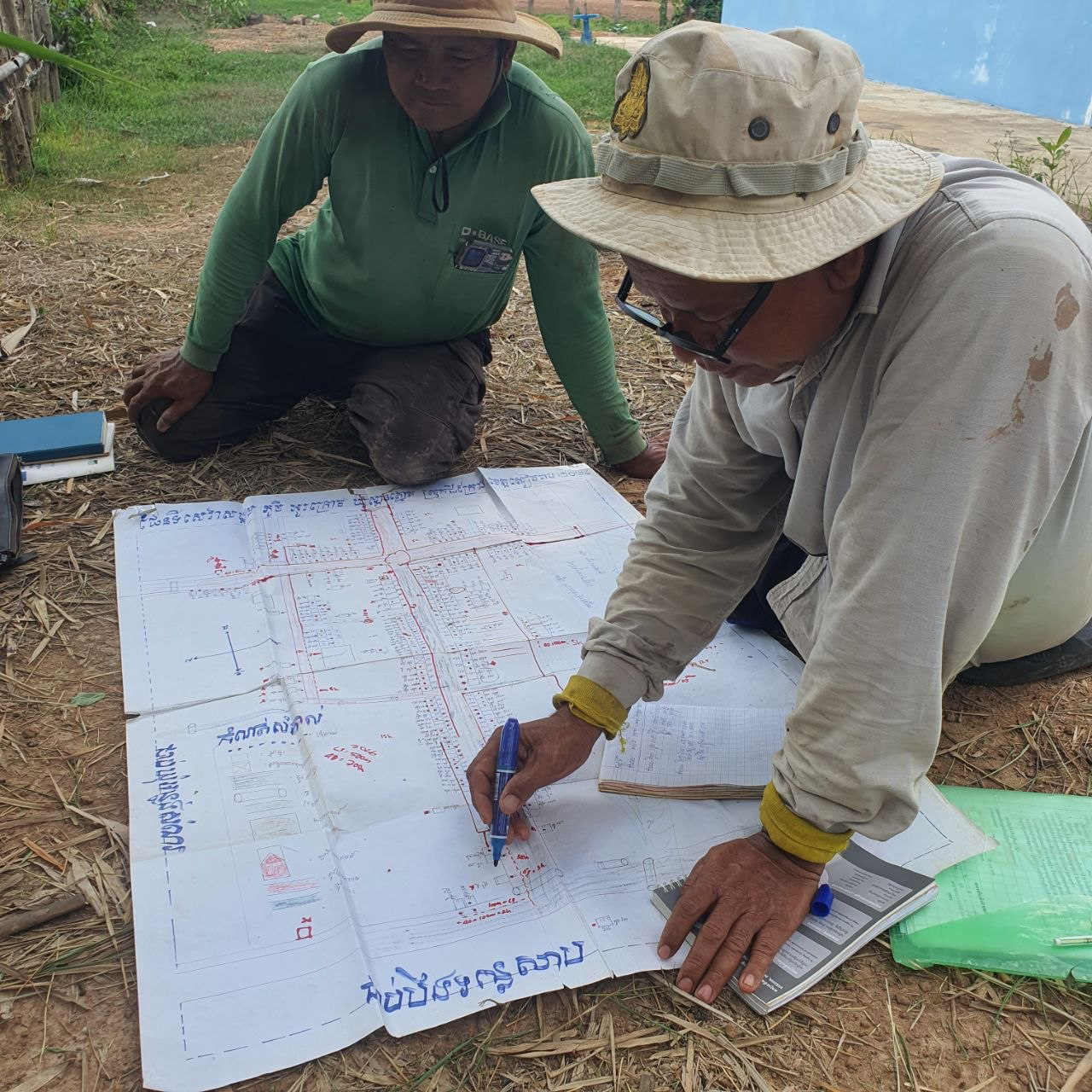
The first system was developed in Trapeang Veng in 2021. It provided TGF with an opportunity to test how a rural piped water system could be built, operated, maintained, and managed together with the local community.
Since then, TGF has continued to learn from the experience and improve the approach.
Today, the Trapeang Veng system connects 108 households across four villages, with an estimated 486 people benefiting from the connected households. Household connections have increased from 79 in 2024 to 108 by June 2026.
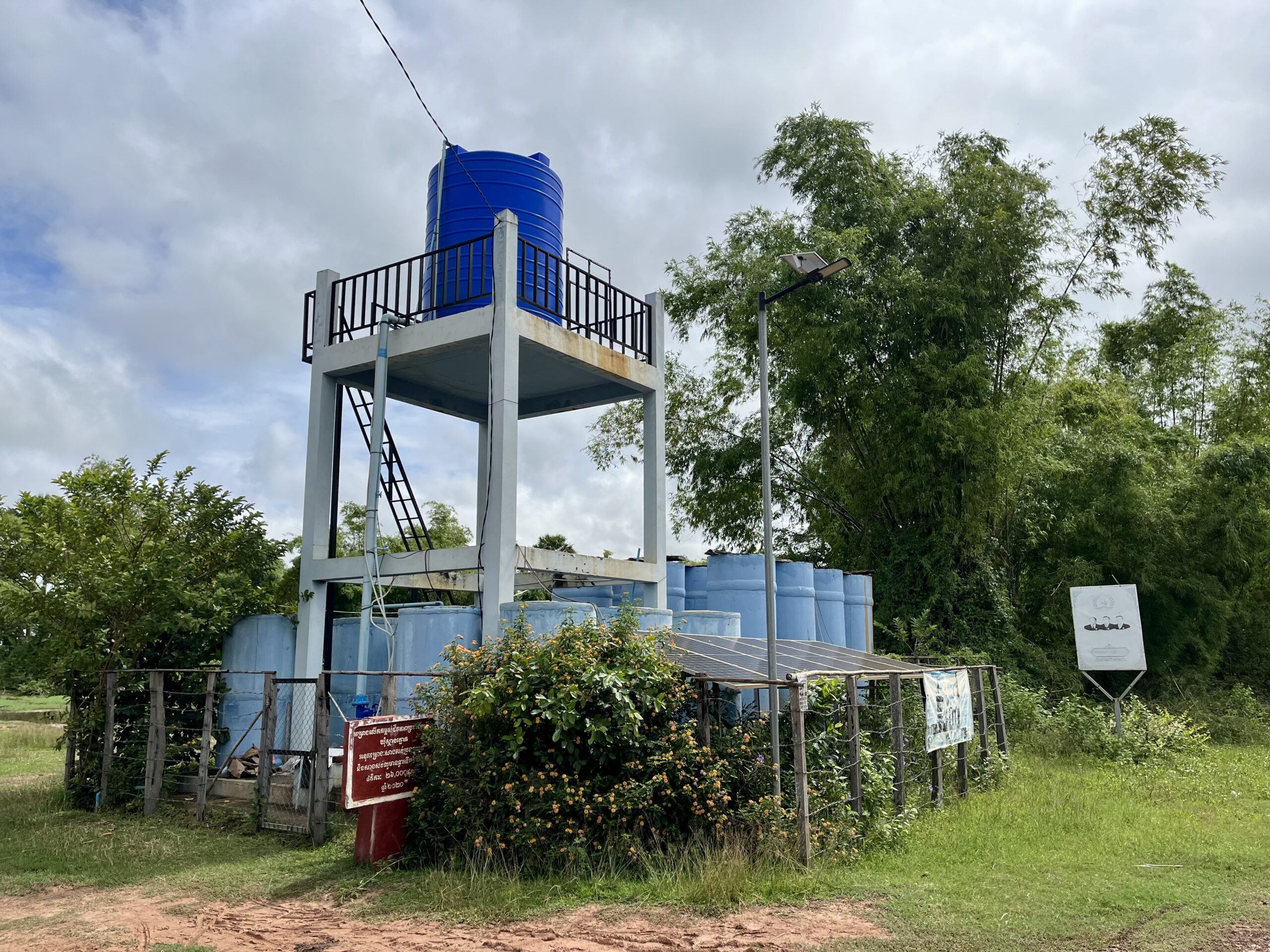
The experience from Trapeang Veng also helped shape TGF’s second system in O-Kraom.
Developed from 2023 onwards, O-Kraom is a larger and more technically developed system. From the beginning, a local Water User Committee was involved in planning, design, implementation, and ongoing management.
TGF also visited other water systems and received practical training on pipe installation and household connections. These experiences helped the team improve the design and materials used in O-Kraom, including the introduction of more durable HDPE pipes.
The system combines a surface-water source, treatment, storage, and a growing network of household connections.
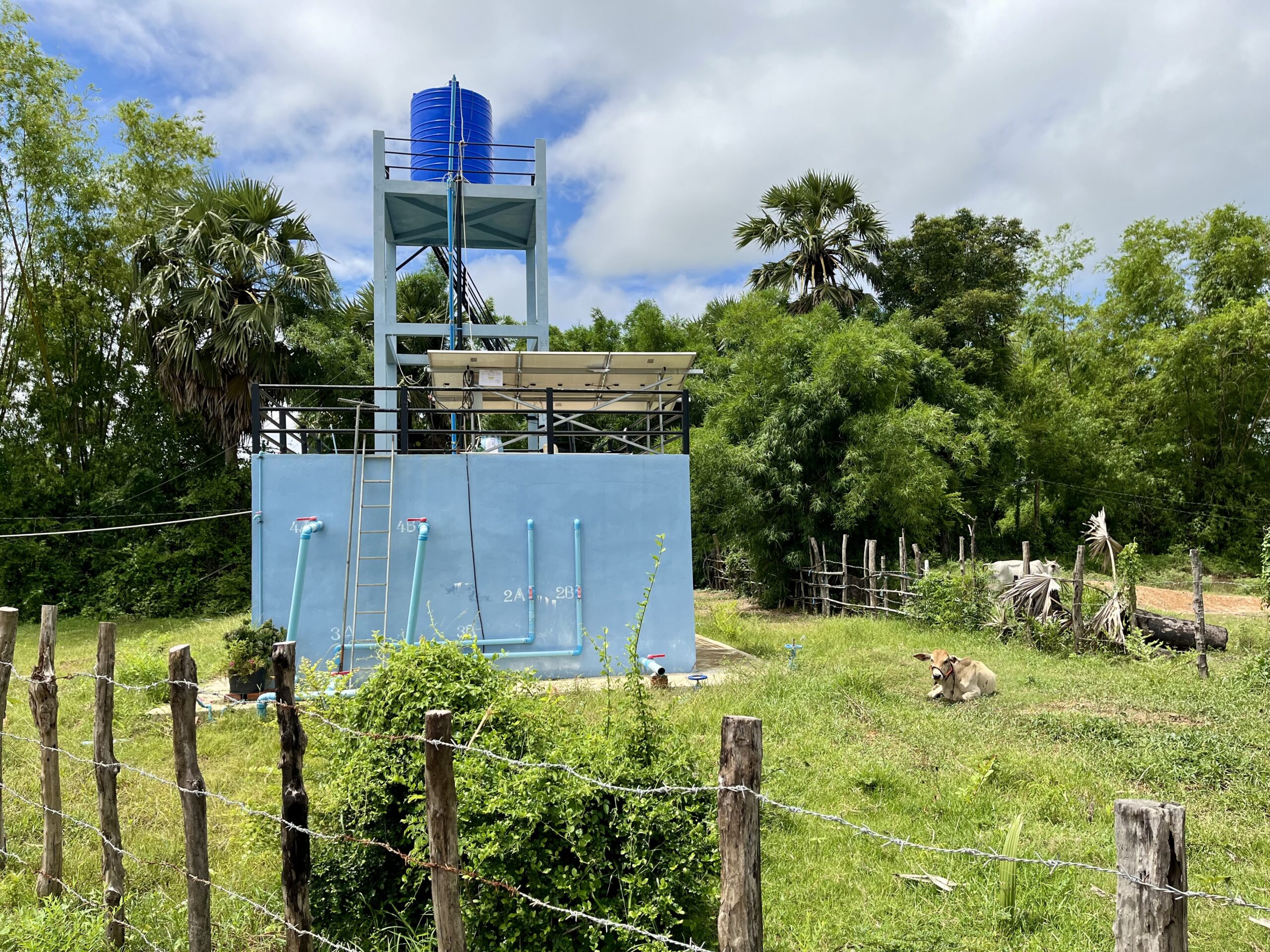
The growth of O-Kraom has been significant.
The first household connections were made in April 2025. By June 2026, 405 households across three villages were connected to the system, representing 64% of all households in the service area.
An estimated 1,823 people are now benefiting from the connected households.
Water use has also increased as more families have connected. Recorded monthly consumption increased from 251 cubic metres in May 2025 to 1,537 cubic metres in June 2026, with total recorded consumption reaching 7,846 cubic metres between April 2025 and June 2026.
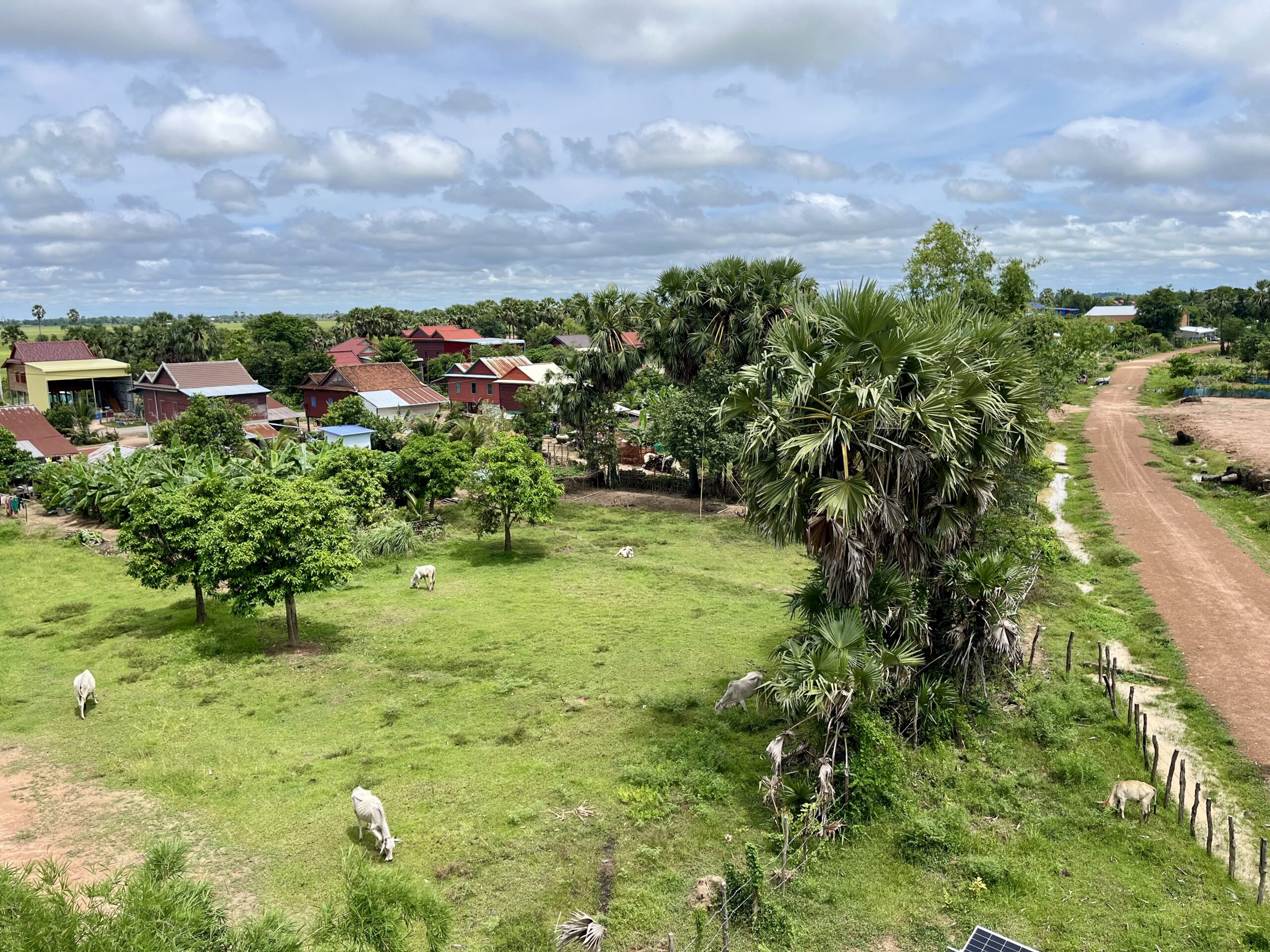
An important part of TGF’s approach is ensuring that the systems can increasingly be managed by the communities themselves.
In O-Kraom, households contribute to the system through connection contributions and payments based on water consumption. The current tariff is 2,000 KHR, approximately $0.50, per cubic metre.
Between April 2025 and June 2026, the O-Kraom community system generated $17,463 in income and recorded $16,693 in expenses, leaving a positive balance of $771. The income generated by the system is used to support operation, maintenance, and expansion.
The smaller Trapeang Veng system has also maintained a positive community cash balance. Between January 2025 and June 2026, it generated $3,144 in income against $2,885 in expenses, with a closing balance of $553.
For TGF, these results demonstrate the importance of combining infrastructure with community management and a clear approach to covering ongoing costs.
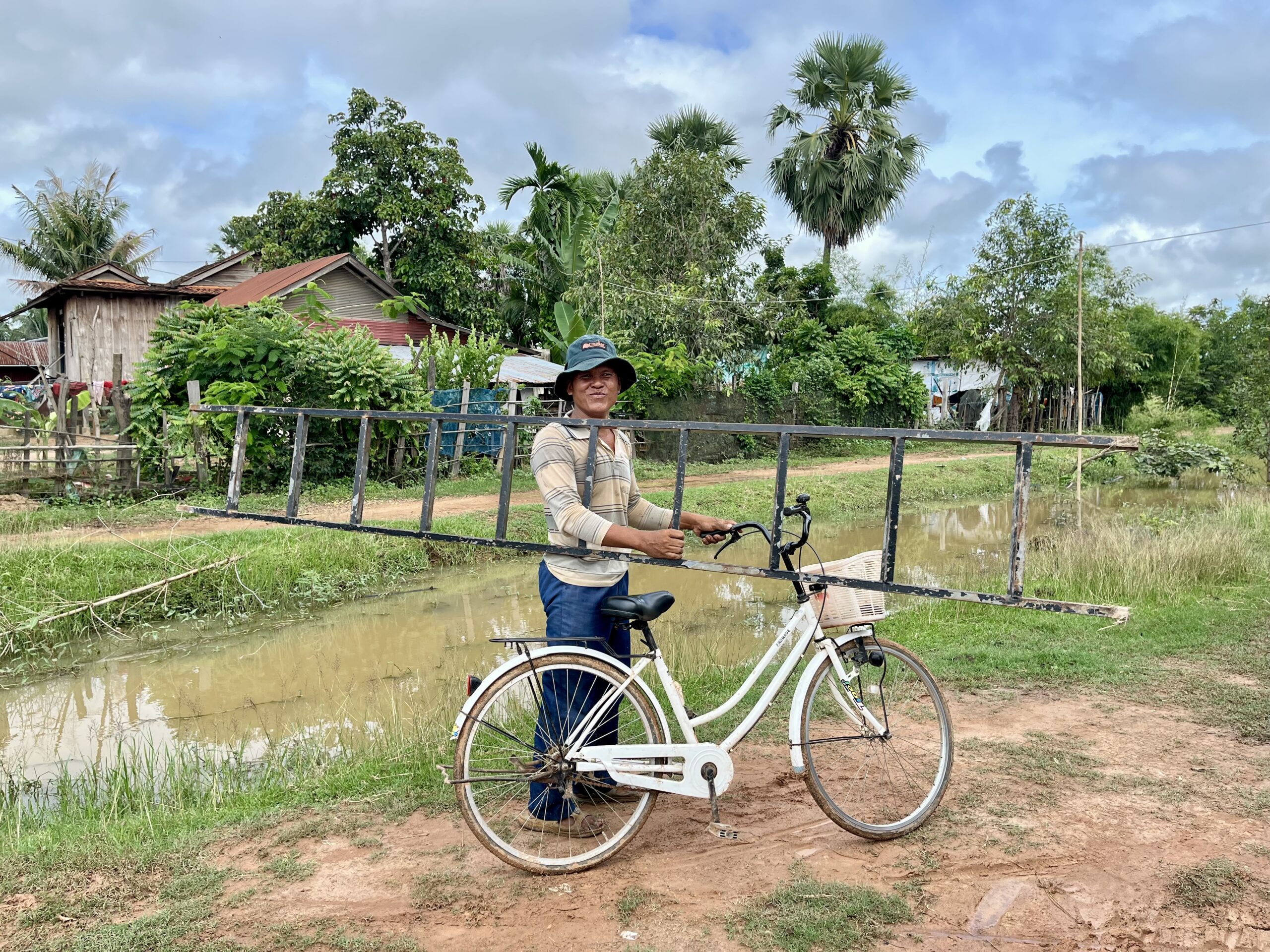
The two systems also show how TGF’s approach has developed over time.
Trapeang Veng was the first step, providing practical experience with water treatment, maintenance, solar power, household connections, and community management. O-Kraom builds on those lessons and now connects more than three times as many households.
At the current stage, TGF’s investment per connected household is approximately $266 in Trapeang Veng compared with $106 in O-Kraom, reflecting the larger scale and the experience gained from developing the first system.
From the first pilot in 2021 to the growing O-Kraom system today, TGF’s experience has shown that developing sustainable rural water services takes time, learning, and strong community involvement.
The goal is not simply to build water infrastructure, but to establish community-managed services that can provide treated water, remain financially viable, and continue serving rural families over the long term.