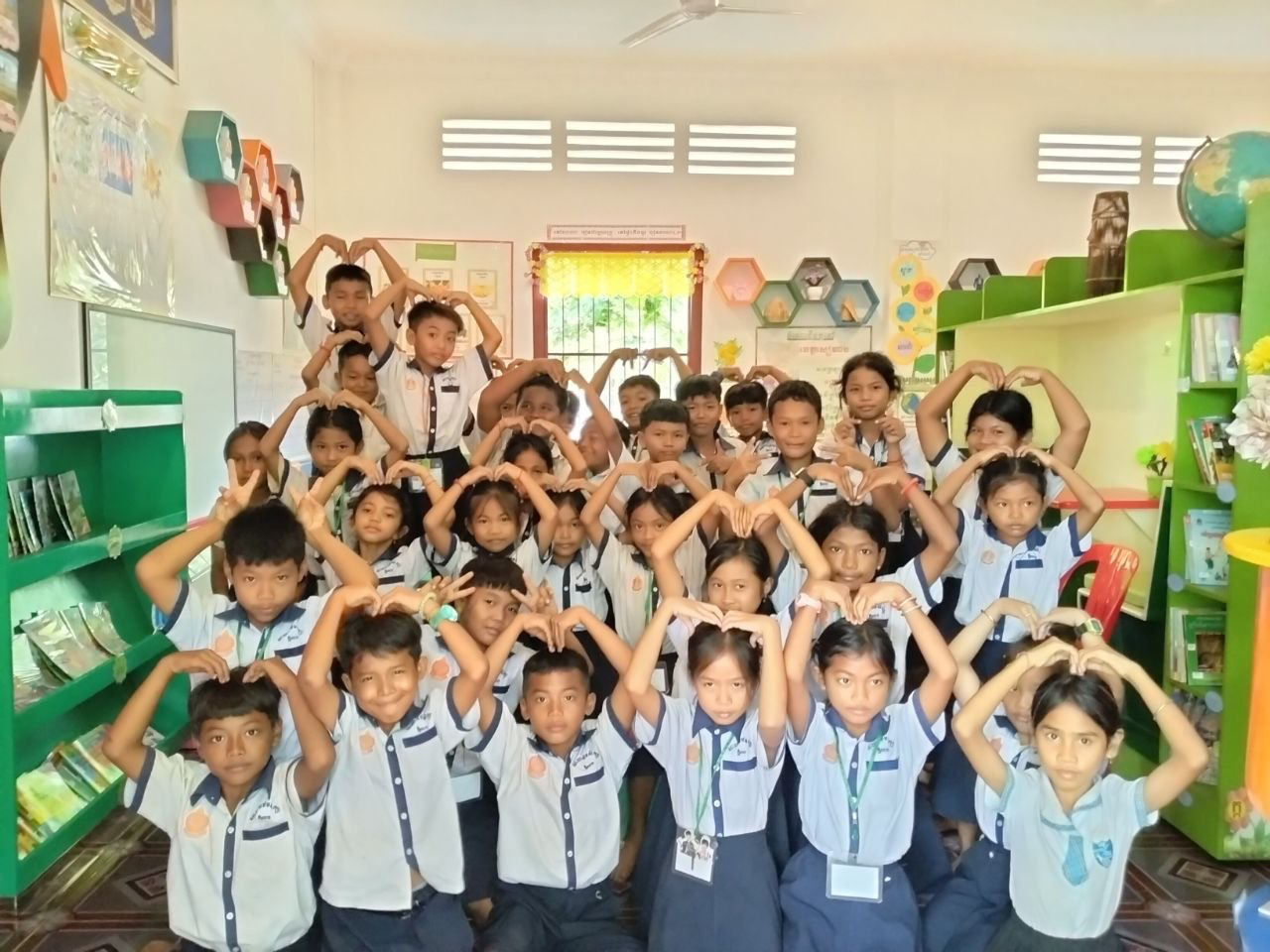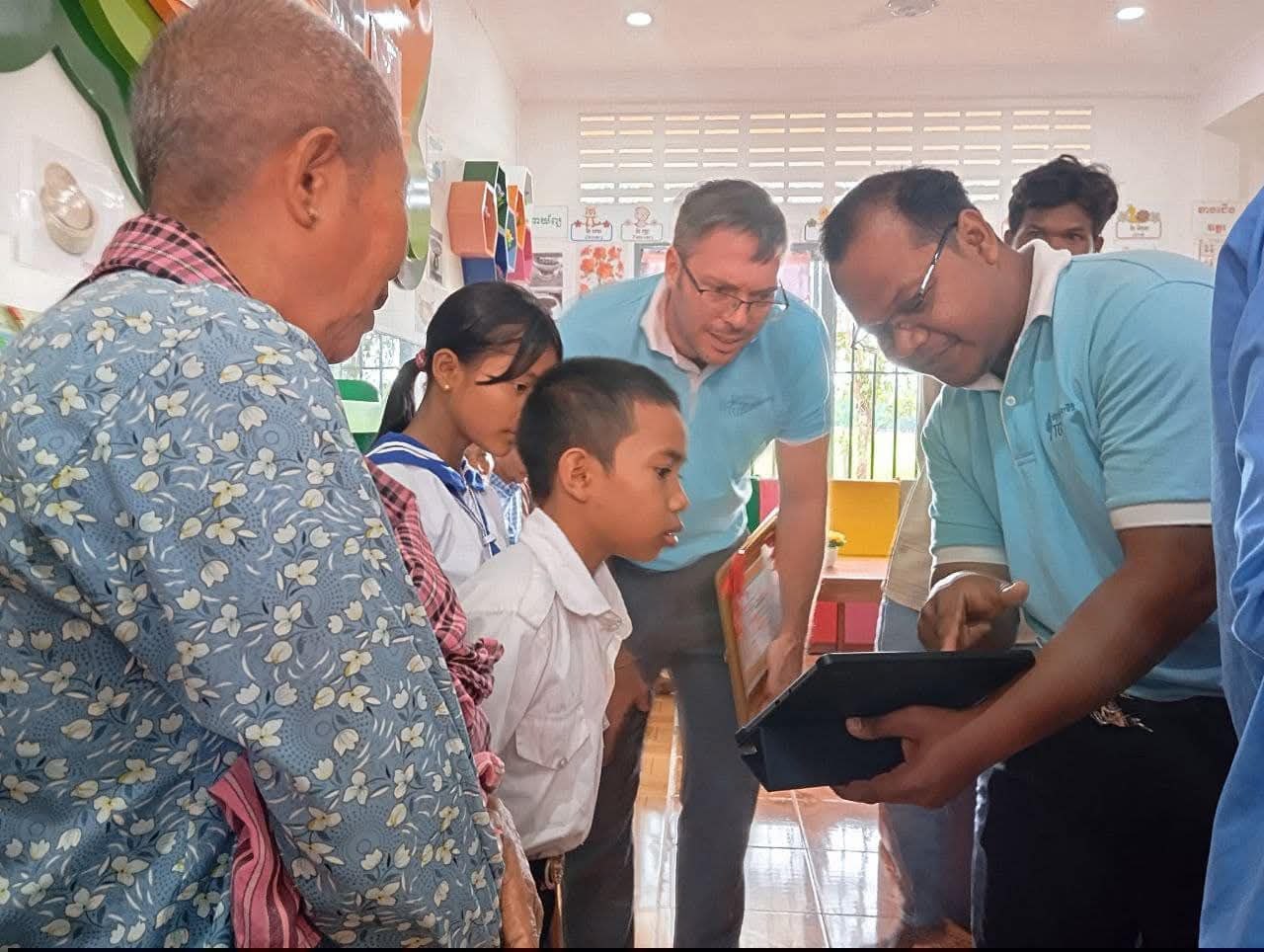
For children growing up in families facing financial difficulties, staying in school can sometimes be a challenge. The costs associated with education, combined with family responsibilities and the need to contribute to household income, can make it difficult for children to continue their education.
TGF’s Scholarship Program was created to help address some of these barriers and support children to stay in school and complete primary education.
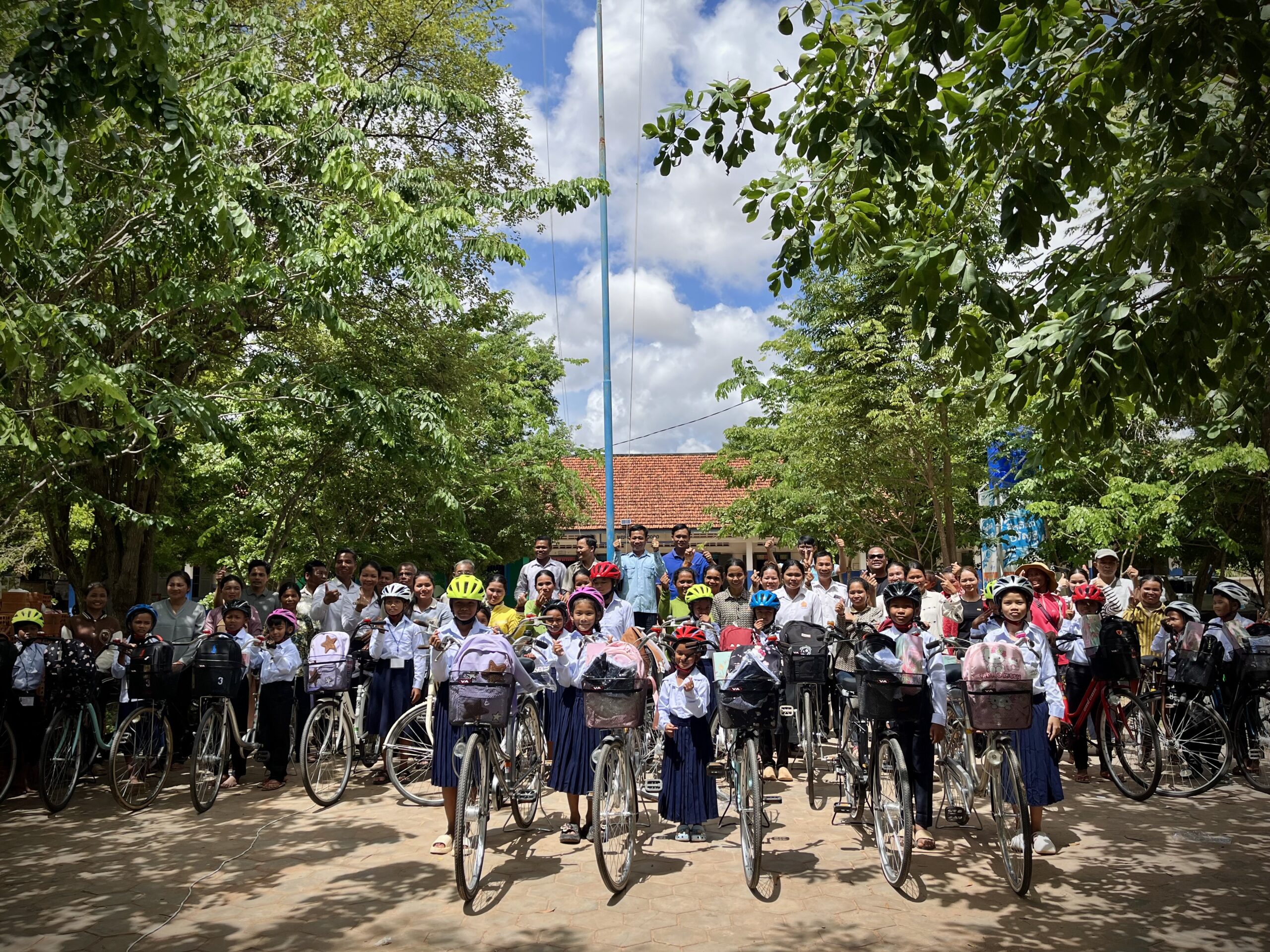
Rather than providing support for just one year, TGF follows scholarship students over several years. Children are identified for scholarship support from Grade 4 and are then supported through Grades 4, 5, and 6 – the final three years of primary school.
Where available, Grade 3 academic results are recorded as a baseline before support begins. TGF then follows the children’s progress while working with their parents and schools along the way.
Scholarship families hold Poor ID Cards, and parents commit to keeping their children in school rather than withdrawing them for work or other pressures.
Today, TGF is tracking 75 students across its scholarship cohorts. Ten students have now completed primary school through the program – five in 2025 and another five in 2026. A further 65 students are still progressing through the program at different stages of primary school.
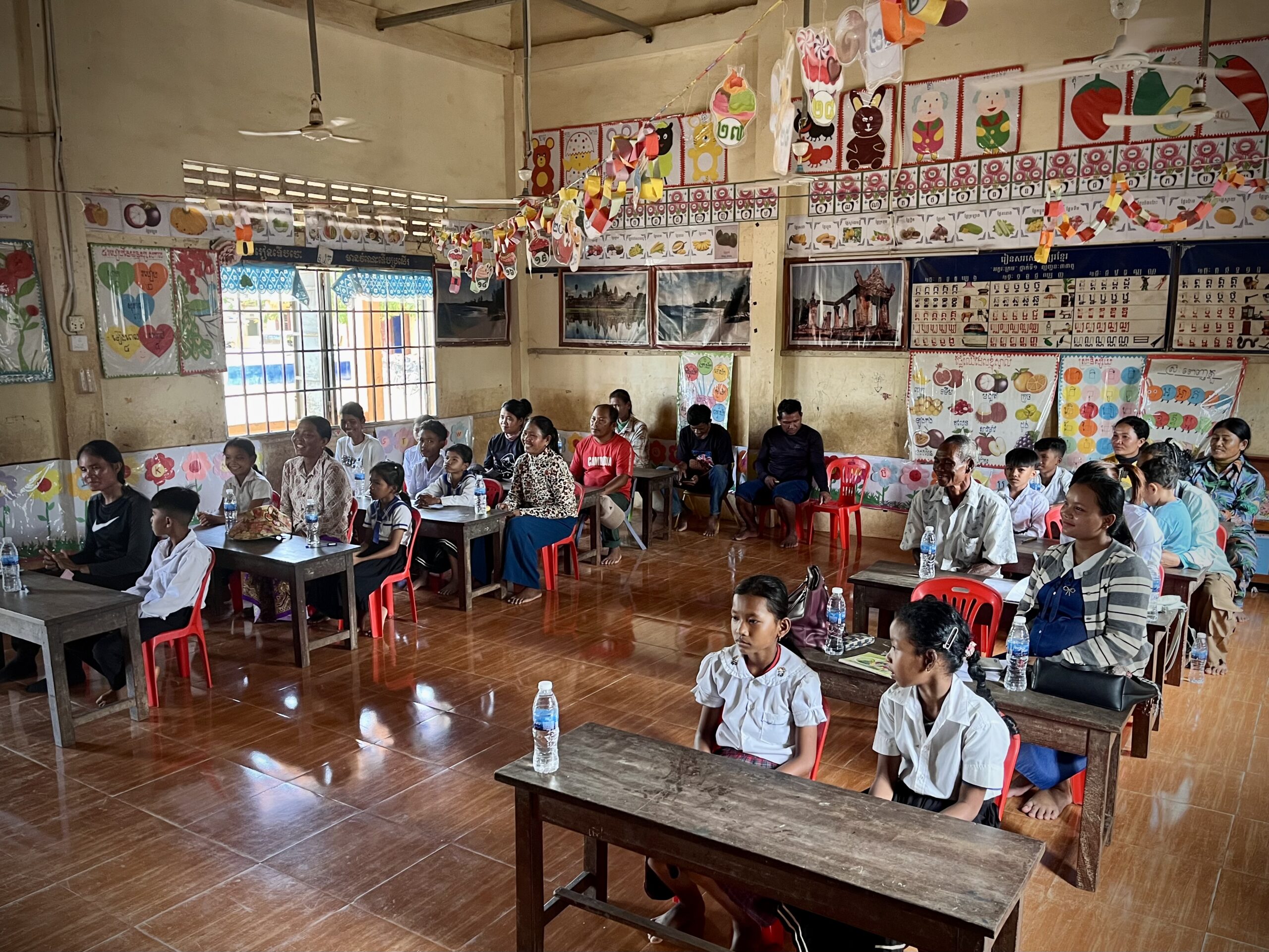
One of the benefits of following students over several years is that TGF can begin to see how they progress over time.
Among the ten students who have completed primary school, TGF has academic records from Grade 3 through Grade 6. Grade 3 results provide a baseline from before scholarship support began.
The results show that seven of the ten students improved their academic score between Grade 3 and Grade 6, while six improved their class ranking. Across the group, the average class ranking improved from 13.6 in Grade 3 to 10.5 in Grade 6.
Every child’s journey is different. Some students make strong academic gains, while others progress more gradually or experience ups and downs along the way.
For example, Seyha improved his academic score from 5.03 in Grade 3 to 6.01 in Grade 6, while his class ranking improved from 27th to 16th. Sey Thida’s score increased from 5.39 to 7.20 over the same period, while improving her class ranking from 12th to 10th.
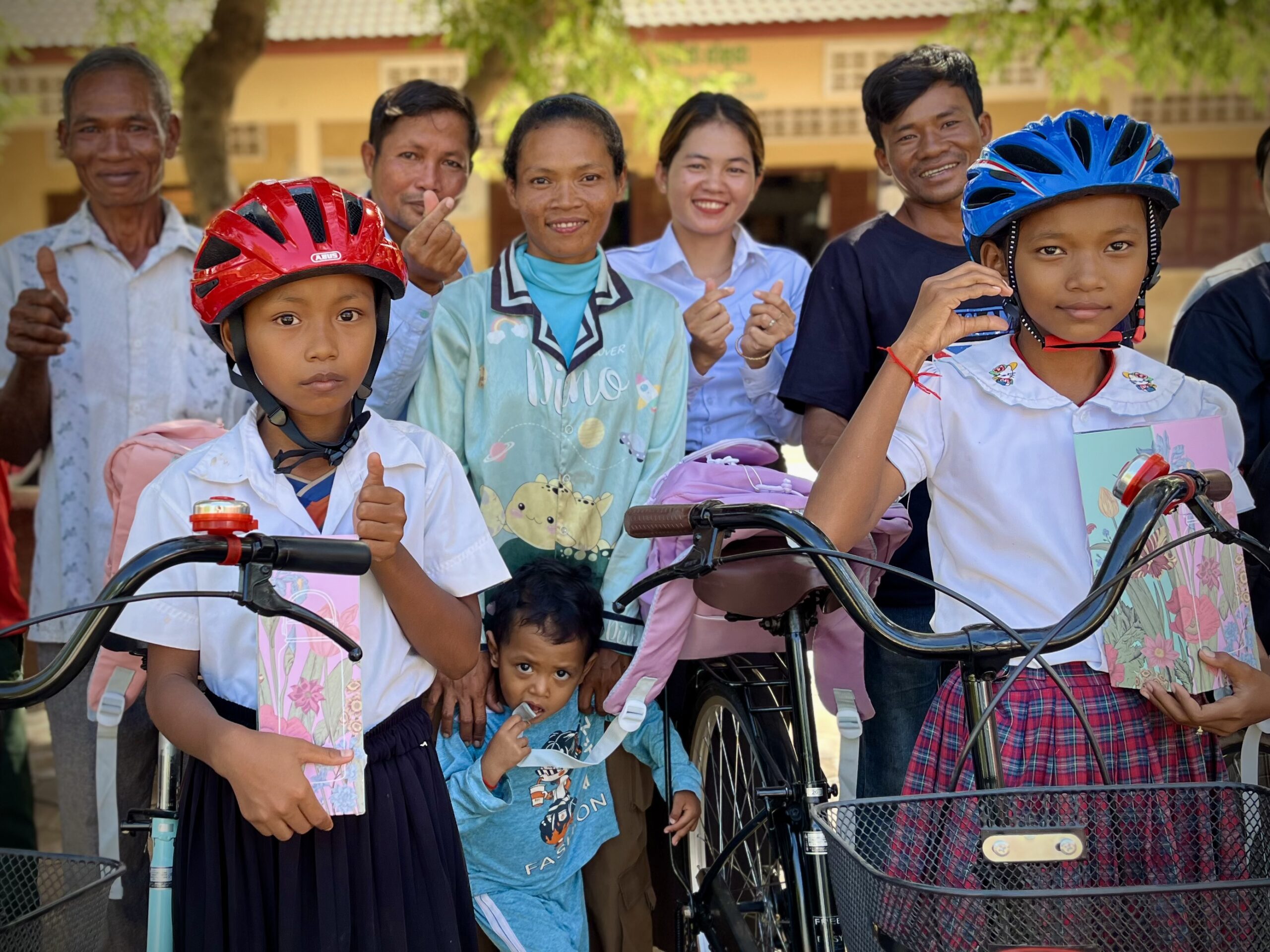
Academic results are only one part of the picture. Regular attendance is another important indicator of whether children are remaining engaged with school.
Among the students for whom attendance records are currently available, the average attendance was 98.1%, with 23 of 25 students recorded as attending at least 95% of school days. These figures are based only on the attendance records available and do not represent all 75 scholarship students.
The scholarship support also provides families with some additional financial flexibility. TGF’s records show that 73% of recorded uses of the financial support were related to agriculture and livelihoods, including farm inputs, livestock, crop production, agricultural land and labour, and farm investments.
Other recorded uses included education, housing, health, and small business activities.
For TGF, the scholarship program is about more than providing financial assistance. It is about helping children remain in school year after year and giving them the opportunity to complete their primary education.
Ten children have now completed that journey, while 65 more are still on their way.
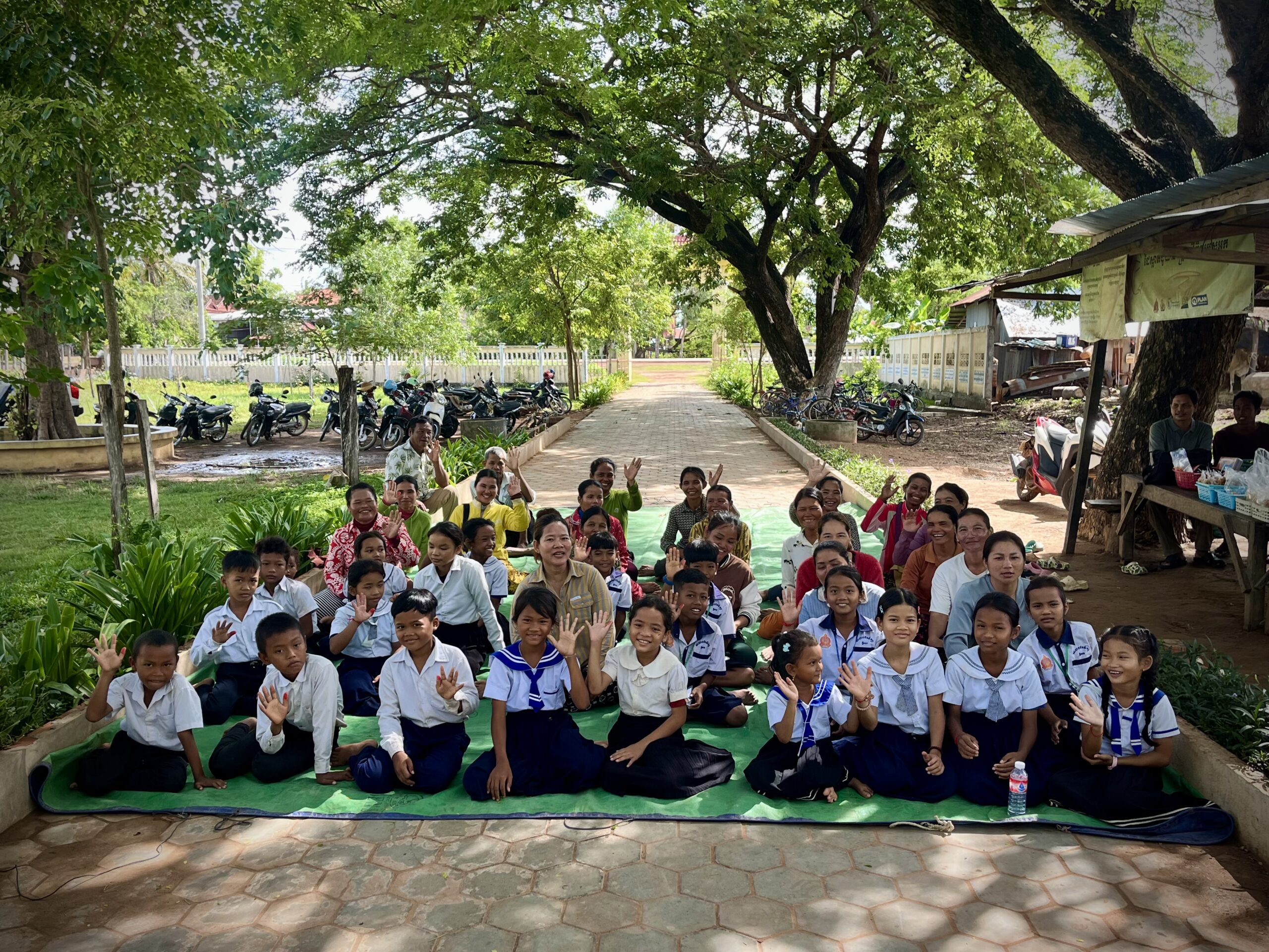
Our long-term goal is to improve primary school survival and completion for children from the communities TGF supports.
By staying alongside children and their families over several years, TGF hopes to help more children stay in school today and have greater opportunities tomorrow.