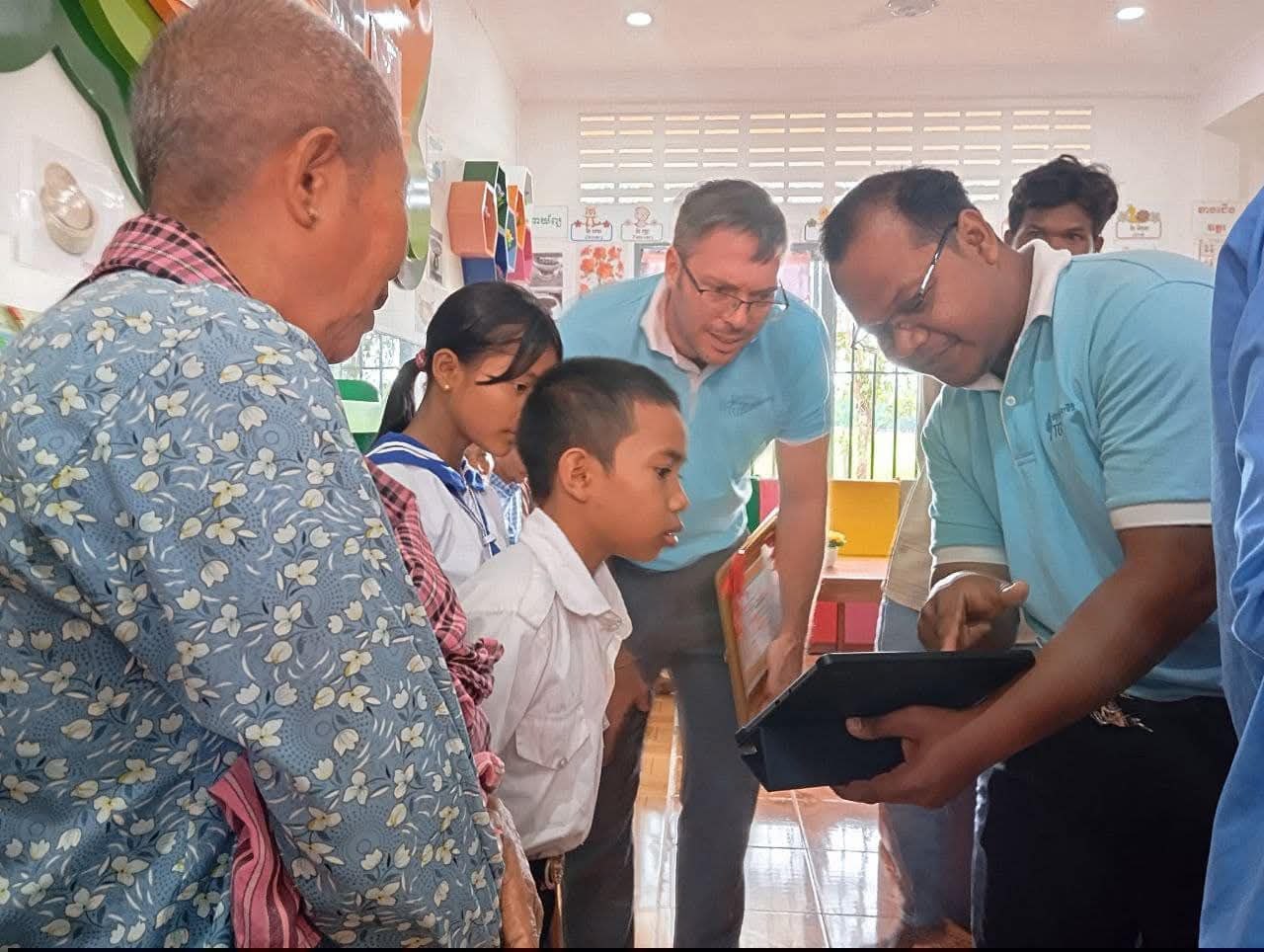
A school library can be much more than a room filled with books. When children have a welcoming space to read, explore, and learn, a library can become an important part of everyday school life.
TGF’s library program aims to create exactly these kinds of spaces for children in the schools we support.
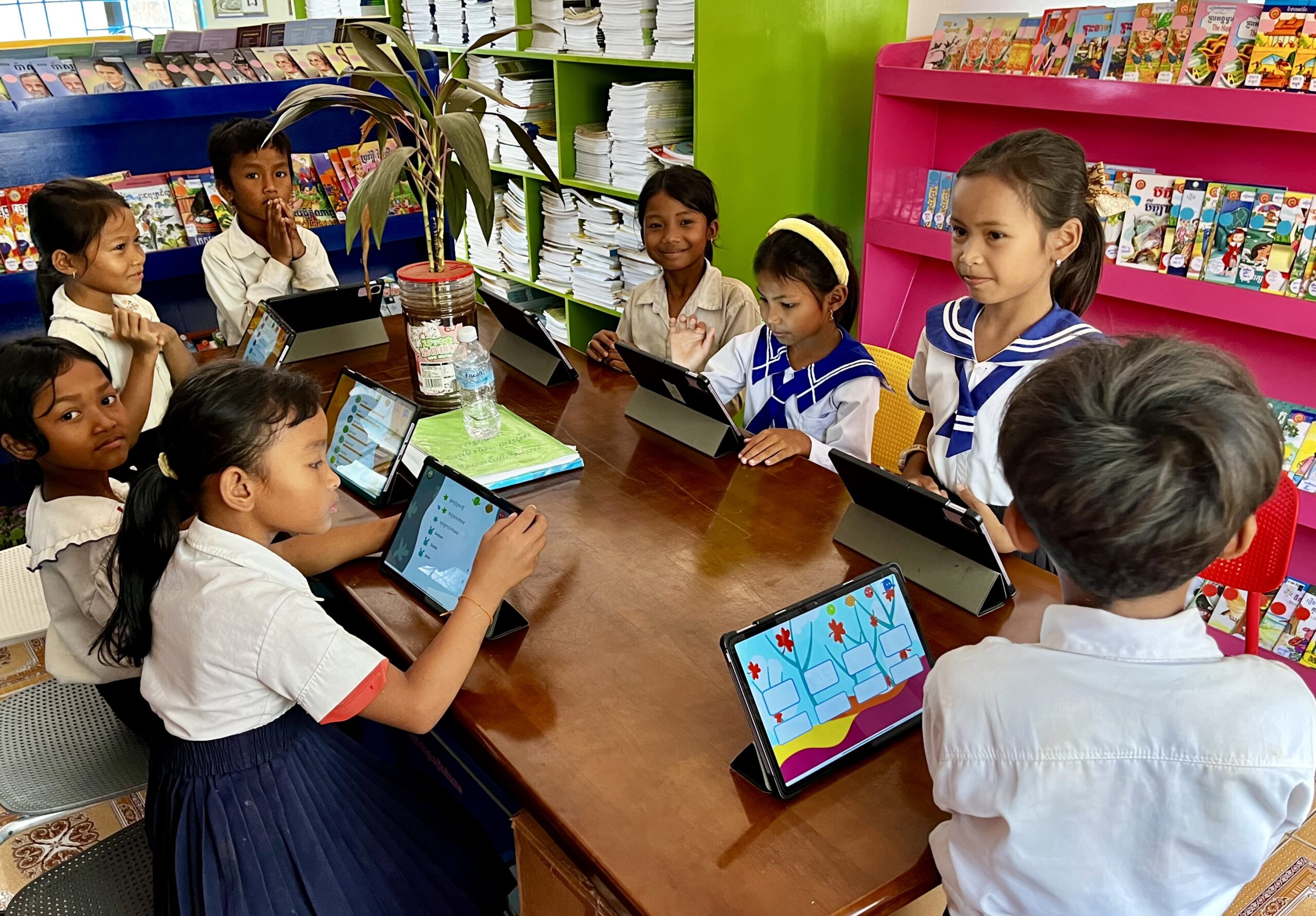
During 2026, TGF has been monitoring how students are using the libraries and how regularly they are borrowing books. The results from the first eight months of the year show that the libraries are being actively used by thousands of children.
Across the 11 libraries currently in the program, 4,269 children are enrolled and a total of 46,442 books were borrowed between January and August 2026.
Eight of these libraries were already established, while three new libraries opened in July.
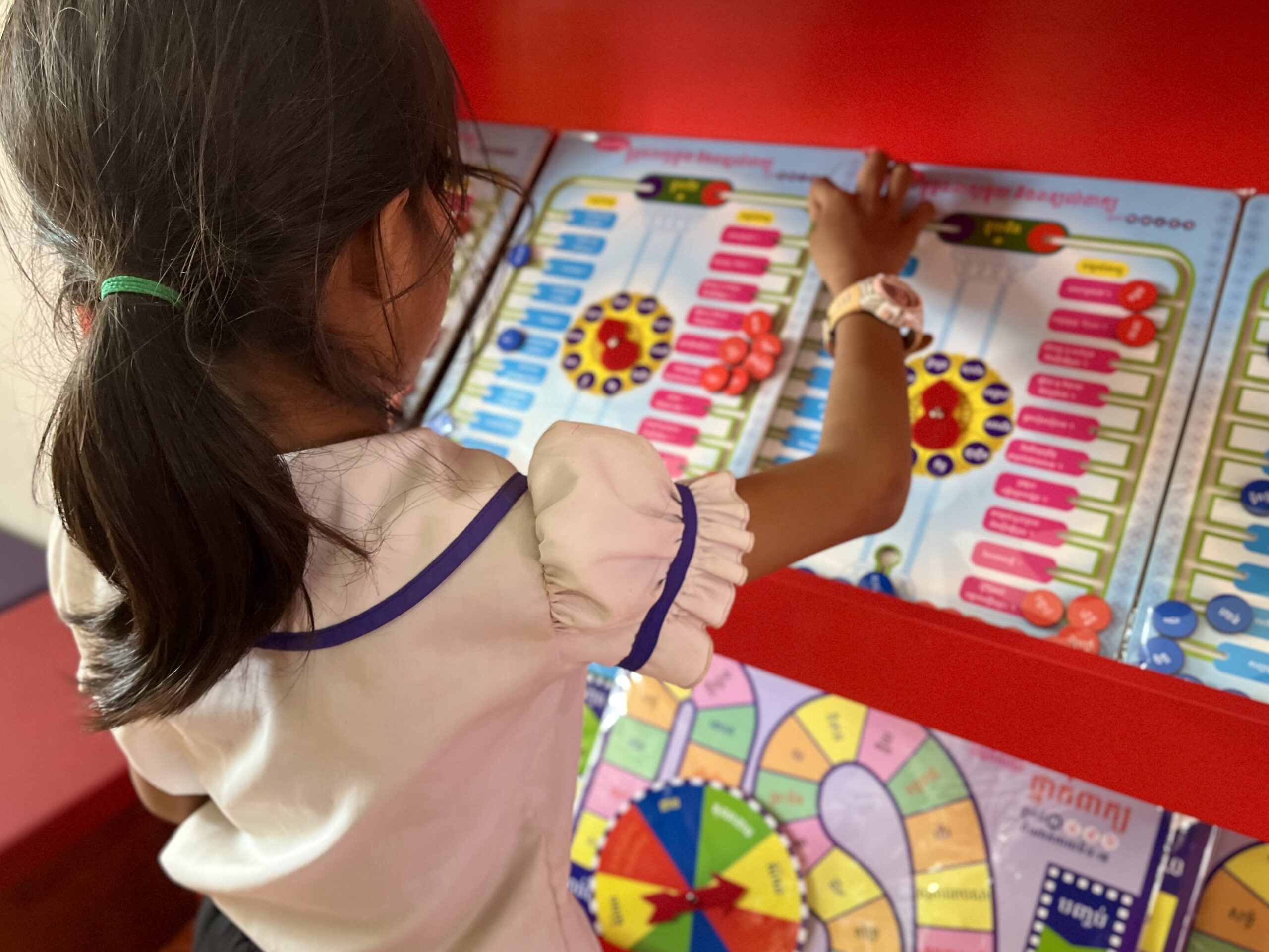
The eight established libraries recorded more than 42,400 book loans during the first eight months of the year. Student participation remained relatively consistent, ranging from 49% to 58% on average each month.
In August alone, 57% of students participated in library activities and 6,618 books were borrowed – the highest monthly borrowing total recorded so far this year.
The consistency of the figures is important. It shows that these established libraries are not simply spaces that children occasionally visit. They are becoming a regular part of school life, with many students using them throughout the year.
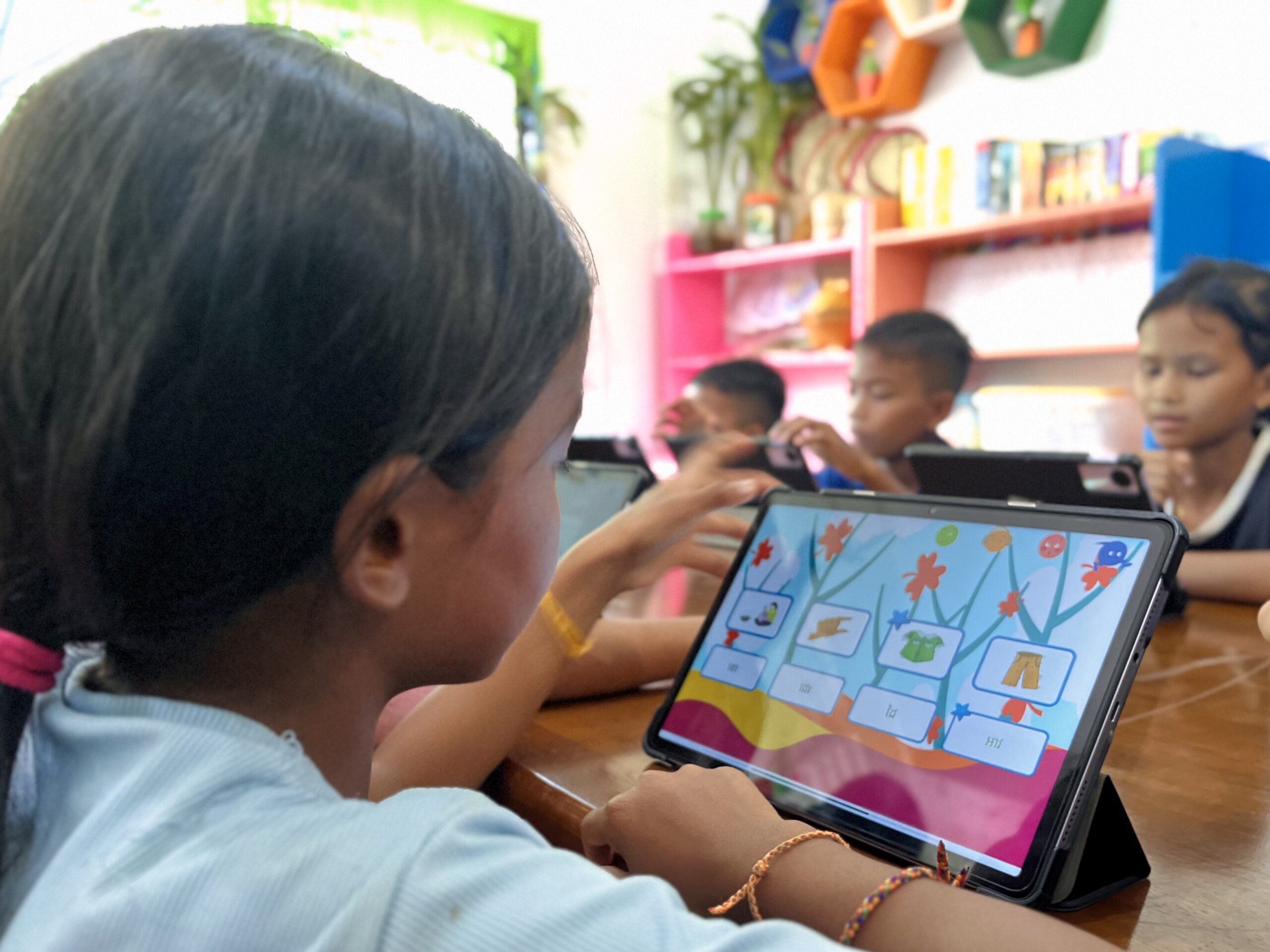
Some of the established libraries have seen particularly high levels of student engagement.
At Samaki Ekhpheap, average daily participation reached 80% between January and August, with 5,172 books borrowed.
Phlong recorded 79% average participation and 8,741 books borrowed – the highest number of book loans among the established libraries.
At Osamaki, participation increased from 42% in January to 87% in August, while Poh maintained an average participation rate of 70% over the eight months.
But the results also show that every school is different.
Tapor, Pongro, Lveng Rousei, and Kbal Kdouch currently have lower participation levels than some of the other established libraries. At the same time, several of these schools have shown improvements during the year. For example, participation at Tapor increased from 27% in February to 49% in August, while Kbal Kdouch increased from 11% in April to 47% in August.
TGF uses this information not only to report on results, but also to identify where additional support may be needed and to help schools learn from the experience of libraries where student participation is particularly strong.
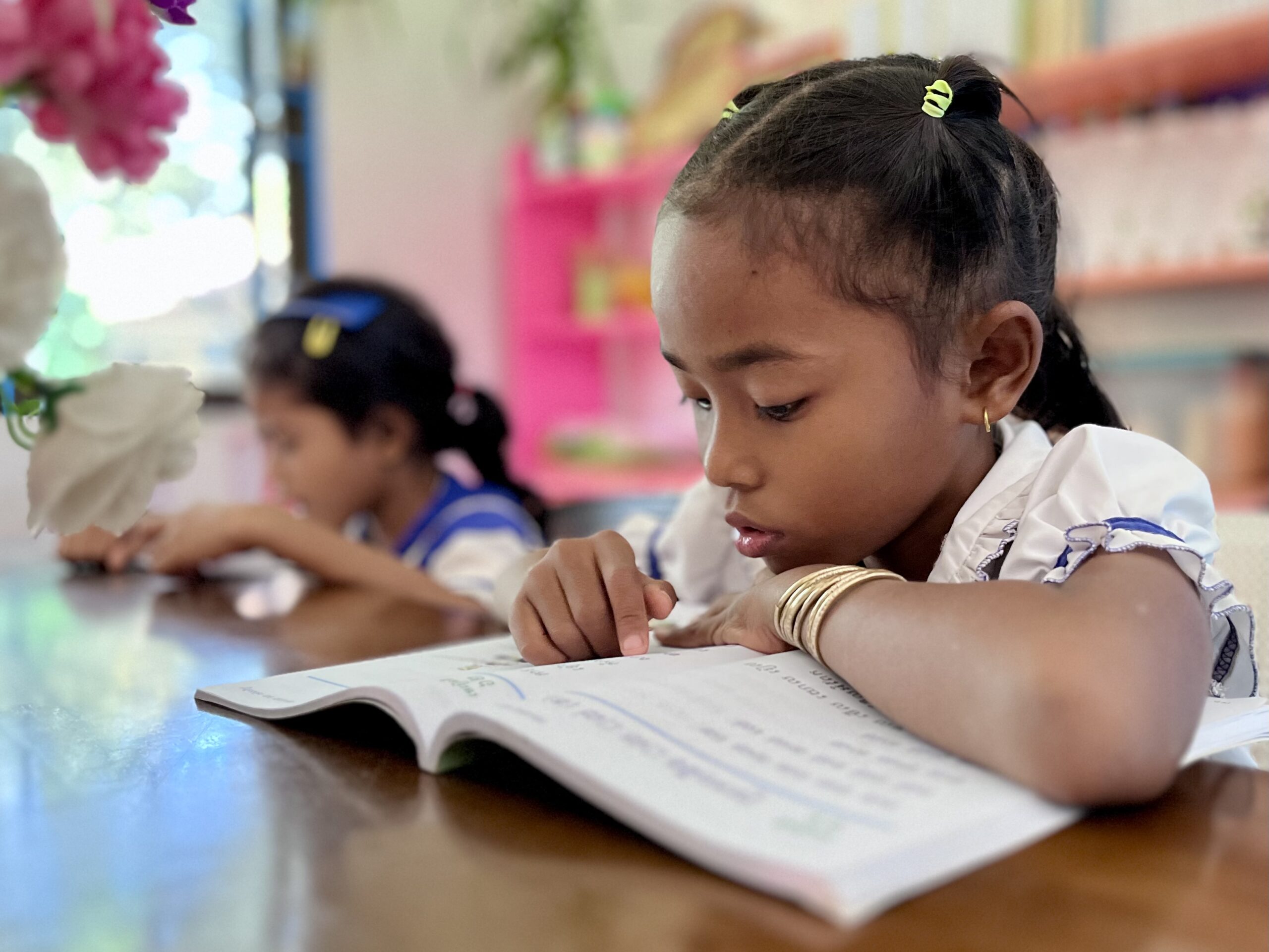
In July, TGF also opened three new school libraries at Prey Toteung, Taphnea, and Kdei Beng.
After only two months, the early results were encouraging. Across the three new libraries, average primary-student participation increased from approximately 35% in July to 47% in August.
At Prey Toteung, participation increased from 50% to 74% in just one month, with 1,241 books borrowed during July and August.
At Taphnea, primary-student participation increased from 21% to 38%, while 1,545 books were borrowed during the first two months.
At Kdei Beng, participation increased slightly from 45% to 46%, with 1,252 books borrowed during the first two months of operation.
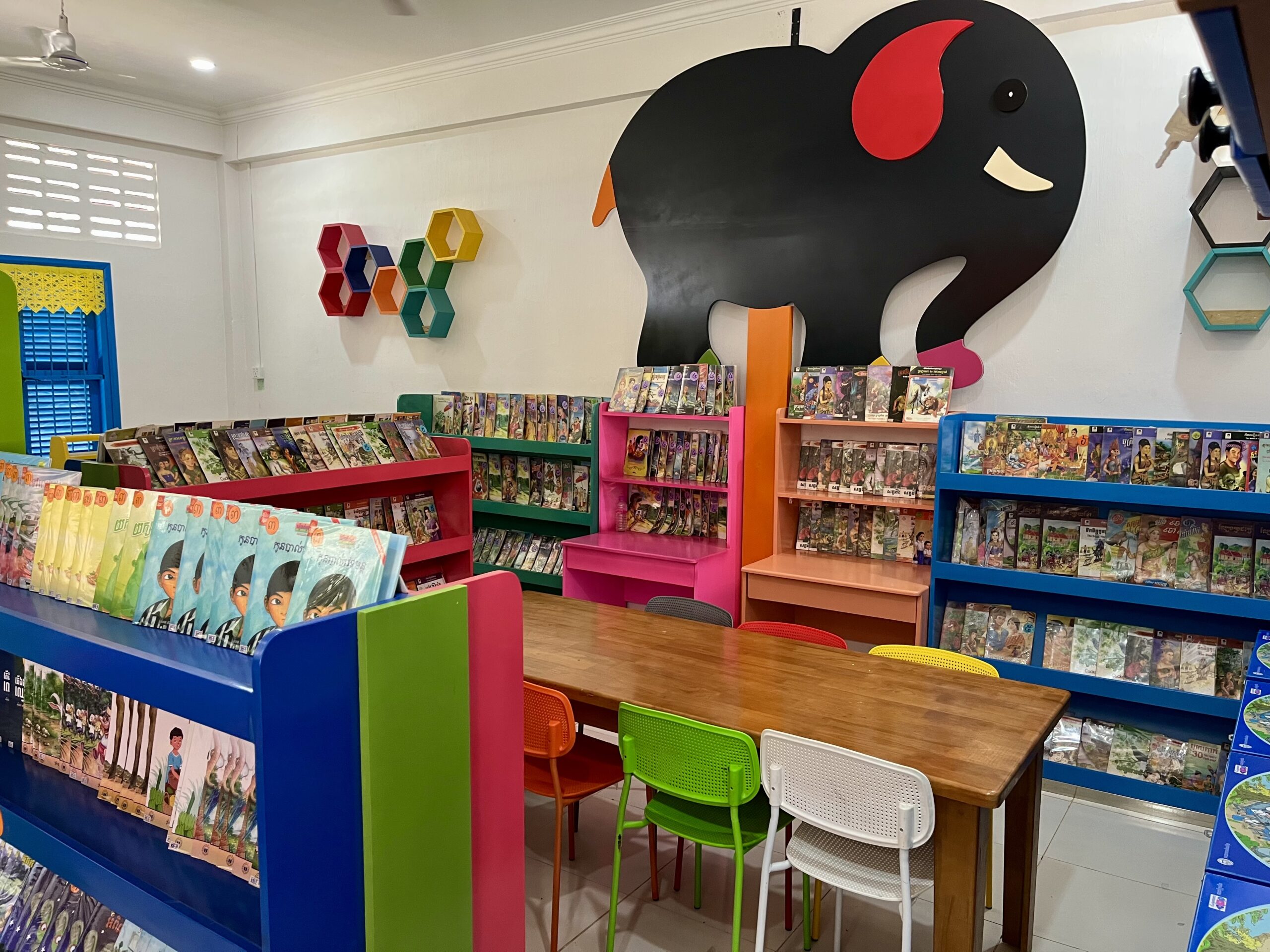
Creating a library is not simply about renovating a room and putting books on shelves.
For a school with an existing room or library building, TGF’s typical investment is approximately $14,000. This includes child-friendly furniture and reading areas, approximately 1,000 new books and learning materials, 25 tablets with educational resources in Khmer, a laptop and charging equipment, as well as orientation and training for teachers and librarians.
But the work does not stop when the library opens.
TGF continues to support schools with library management, maintenance, and the effective use of books and digital learning resources. Regular monitoring helps identify where additional follow-up is needed.
At the same time, school directors and School Support Committees are encouraged to plan and secure local funding for future maintenance and ongoing needs, helping schools gradually take greater responsibility for their libraries.
The goal is therefore not simply to create a new library space, but to establish a lasting school resource that remains active and useful for future generations of children.
The results so far are encouraging. Across the 11 libraries, thousands of children are using the spaces, tens of thousands of books are being borrowed, and the newest libraries are already beginning to become part of their schools.
For TGF, the numbers are important, but what they represent is even more important: children choosing to read, learn, explore, and use their school libraries.
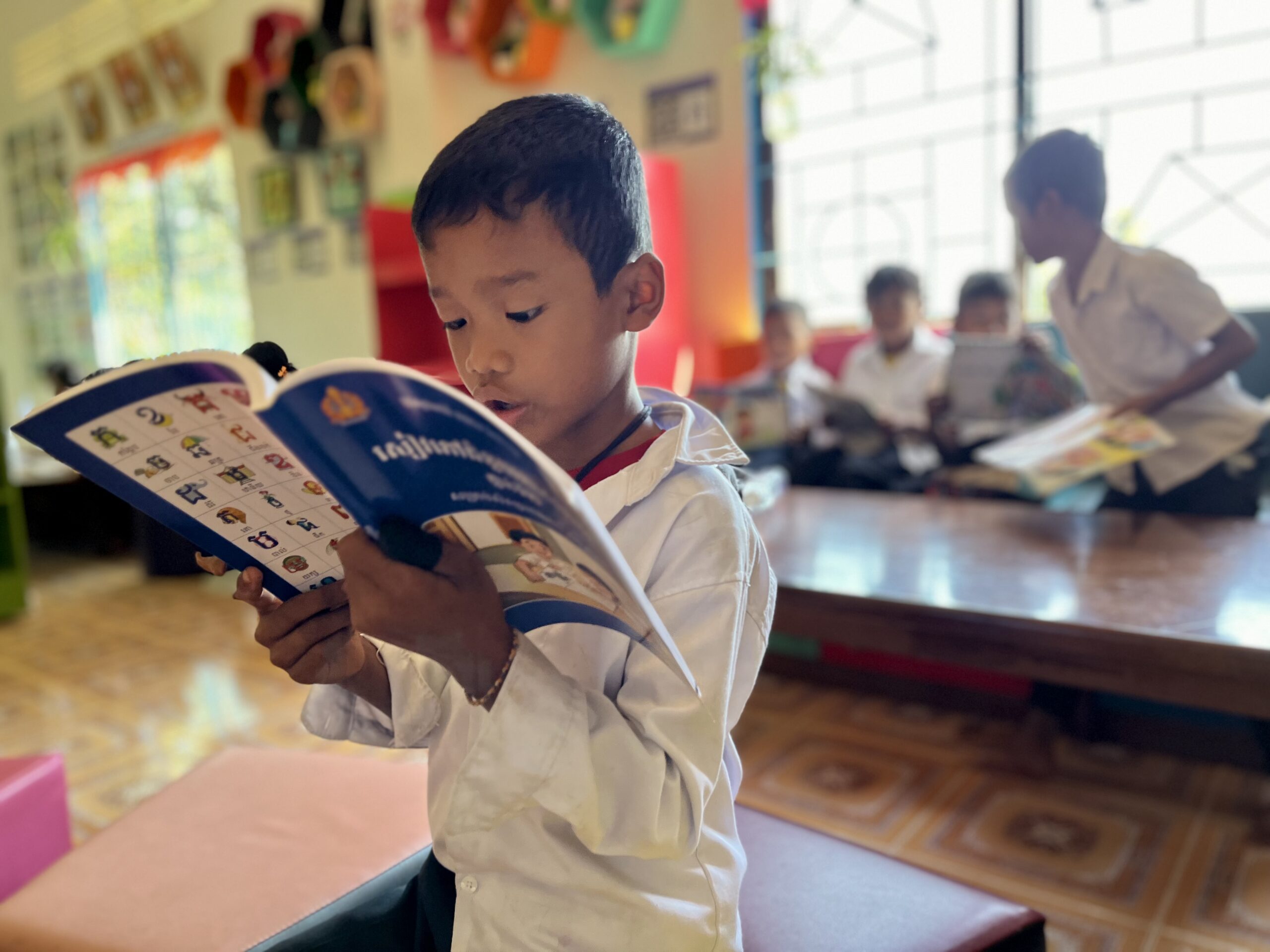
With continued support from schools, communities, and TGF, we hope these libraries will remain active learning spaces for many years to come – providing opportunities for children not only today, but for future generations of students as well.